
ICORN
La Maison Rousseau et Littérature accueille des écrivain·e·s persécuté·e·s grâce à l’adhésion de la Ville de Genève à ICORN, Réseau international de villes refuges.

Genève, ville refuge
Le Réseau international des villes refuges (ICORN) est une organisation de villes et de régions qui offrent un abri temporaire aux écrivain·e·s, artistes et journalistes sous le coup de persécutions, par le biais de résidences.
La Ville de Genève, le centre Pen suisse romand et la Maison Rousseau et Littérature ont préparé pendant plus de dix ans l’adhésion au Réseau ICORN, qui s’est concrétisée en décembre 2023. En juin 2024, la première résidente est accueillie en nos murs.
« Les plus grands scélérats trouvent un refuge ; il n’y a que votre ami qui n’en trouve point. […] Que la nature est lente à me tirer d’affaire ! Je ne sais ce que je deviendrai ; mais en quelque lieu que j’aille terminer ma misère, souvenez-vous de votre ami. »
– Jean-Jacques Rousseau, Lettre à Monsieur M., 9 mars 1765
Condamné à Paris, à Genève, à Berne, à La Haye, dénoncé pour l’abandon de ses enfants dans une affreuse brochure anonyme, excommunié à Môtiers, sa maison lapidée, chassé de son refuge à l’île Saint-Pierre, ses écrits interdits de publication et de lectures en public : le Citoyen de Genève approuverait sans doute que sa maison natale devienne un refuge d’écrivain·e·s en recherche de liberté et de sécurité.
Résidence 2026
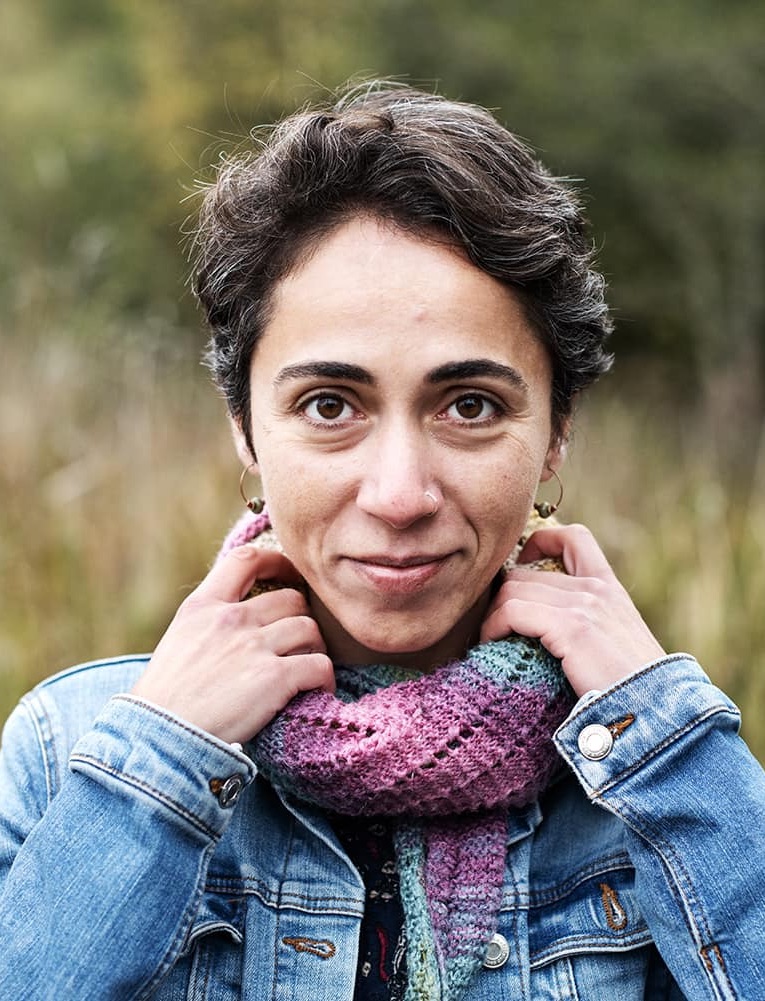
Aslı Ceren Aslan was born in Istanbul/Turkey in 1990 and graduated from the Mathematics Department of Çanakkale Onsekiz Mart University. Between 2014 and 2021, she worked in various roles as a reporter, editor, and editor-in-chief at the Yeni Demokrat Kadın newspaper and Özgür Gelecek newspaper in Turkey. Due to her journalistic activities, she was detained at Urfa No. 2 Closed Prison between 2017 and 2019. She received a scholarship from GeoAIR, an arts organisation based in Georgia, to conduct research on the LGBTQ community and gender inequality in the region. She lived in Tbilisi from October 2021 to July 2022 and wrote articles on these topics. In 2022, she was accepted into the International Cities of Refuge Network (ICORN), an organisation for journalists, writers and artists facing political threats. From July 2022 to July 2024, she worked as a writer-in-residence in the municipality of Växjö, Sweden.
Aslan’s first book, We Are Each Other’s Remedy (Birbirimizin Çaresiyiz), was published in Turkey by SRC Publishing House and in Sweden by Trolltrumma Publishing in November 2023, translated into Swedish as ‘Bara vi själva kan rädda varandra’.
In 2024, she received the Växjö Pride award for her work on LGBTQ issues in Turkey and Sweden. In 2025, Aslan was awarded the Viktor Rydberg prize by the Smålands Akademi for her work in the fields of human rights, democracy, and freedom of thought and expression.
Aslı Ceren Aslan continues to live in Växjö and participates as a speaker in panels, seminars, and conferences on freedom of thought, expression, and the press.
Photo credit : © Lina Alriksson
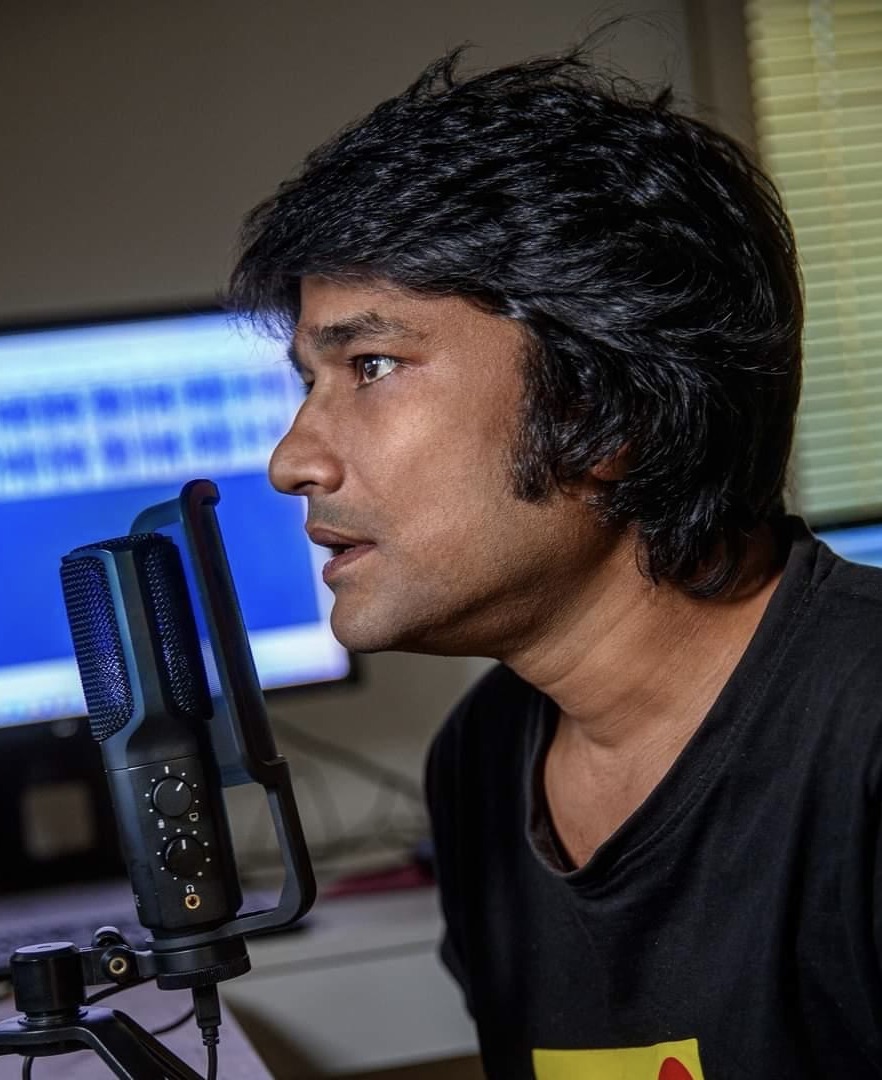
Saiful Baten Tito is an ICORN (International Cities of Refuge Network) resident artist. He arrived in Gothenburg, Sweden, in May 2023. He is a writer, investigative journalist, filmmaker, and human rights activist.
His most recent book, Bishphora (The Boil), exposes the harrowing realities of sexual abuse, physical violence, and killings of children within religious institutions in Bangladesh. Written as a research-based novel, the book draws on documented facts and lived experiences to confront deeply rooted systems of abuse.
Following its publication, Tito became the target of violent threats from religious fundamentalist groups. Fatwas were issued calling for his murder. Under pressure from these groups, the Bangladeshi government banned the book and placed him under intense surveillance. Facing imminent danger, he was forced to flee the country and seek refuge in neighboring India, where he lived in exile for two years.
In May 2023, upon the invitation of ICORN, he was granted refuge in the city of Gothenburg, Sweden. Since then, he has continued his literary and cinematic work in safety, focusing on themes of freedom of expression, human rights, and social justice.
In February 2026, Tito was invited by Maison Rousseau et Littérature (MRL) to undertake a residency in Geneva—one of the world’s most historically and culturally significant cities. He expresses his sincere gratitude to MRL for this opportunity and for their generosity and support.
Jean-Jacques Rousseau has long been one of Tito’s most admired philosophers. During his stay in Geneva, he hopes to deepen his engagement with Rousseau’s life and ideas. Alongside his writing, he plans to pursue photography and explore the city’s museums and historic churches, spaces where history, art, and memory converge.
He also looks forward to meeting fellow writers and artists in Geneva and engaging in meaningful cultural exchange. He is confident that his time in Geneva will remain one of the most profound and memorable chapters of his life.
Photo credit : © Magnus Bergström
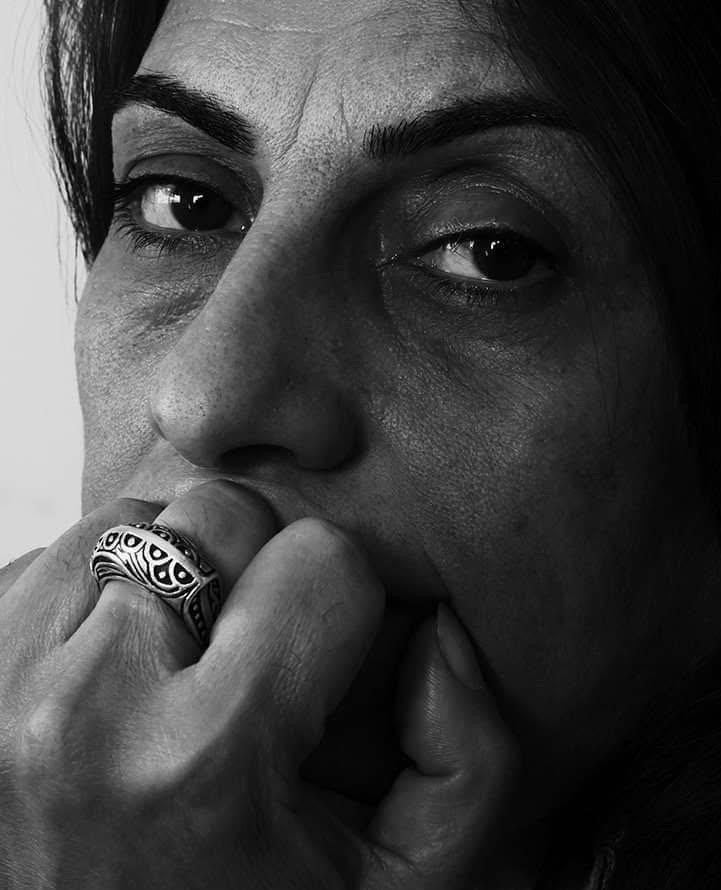
Hanadi Zarka is a Syrian poet, writer, and journalist whose work explores exile, memory, and the fragile textures of everyday life. She has published numerous poetry collections in Arabic as well as in translation, and her writing has appeared widely in pan-Arab newspapers and literary journals.
Her most recent publications include Wie ein Herz am Hauseingang (Like a Heart at the House’s Entrance), published in Berlin in 2025 by the DAAD Artists-in-Berlin Program, as well as a new Arabic poetry collection released the same year by Dar Athar in Riyadh. In 2024 she also published You Know Nothing About War, a collection of articles reflecting on conflict and its impact on everyday life.
Over the past two decades, Zarka has built a rich body of poetic work, including I Saw a Pale Cloud… Heard Black Rain, Life Is Quiet in the Vitrine, Alzheimer, More Than I Need, Rearranging Chaos, and Inattention of Your Hands. Several of these collections have been translated and published in Denmark. She has also written children’s literature, with two short story collections published by the Syrian Ministry of Culture.
Born in Syria, Zarka studied agricultural engineering at Tishreen University in Latakia before dedicating herself to writing and journalism. Since 2001, she has worked as a freelance writer and columnist for multiple pan-Arab publications and has been a member of the editorial committee of Canaan House for Studies and Publishing.
Her work has received several awards, including the Damascus Culture Prize for Young Writers (2008), the Mohammad Al-Maghout Award for Youth (2004), and the Young Poets’ Prize from the Arab Writers’ Union (1997). She has also participated in numerous international literary festivals and events, and in 2023 she was invited to Berlin through the Berliner Künstlerprogramm des DAAD, where she took part in readings at the Haus für Poesie.
Photo credit : © Aiham Dib